Peltophorum Pterocarpum (Yellow Flametree, Yellow-Flamboyant) - Plant
Peltophorum Pterocarpum (Yellow Flametree, Yellow-Flamboyant) - Plant
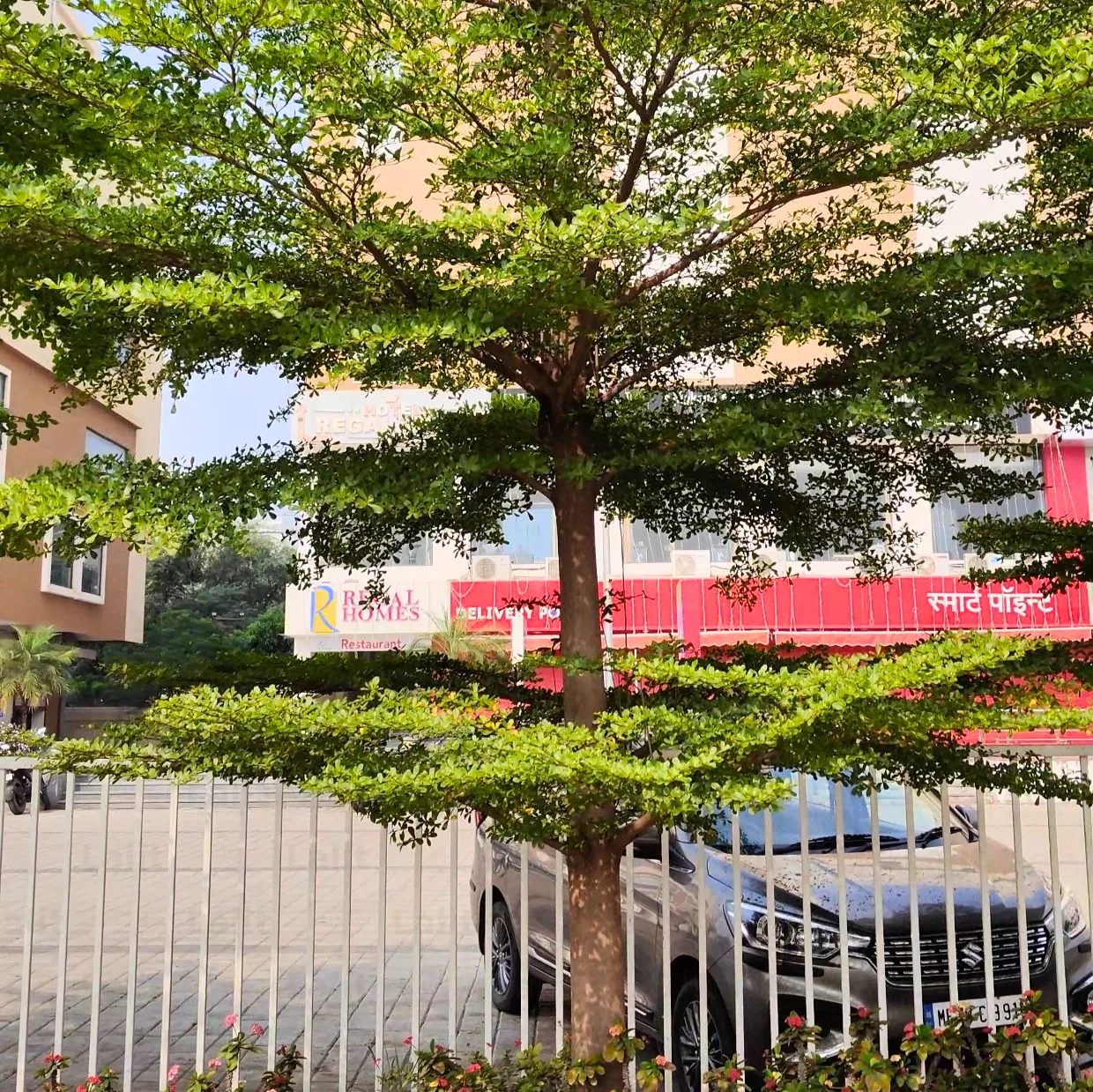
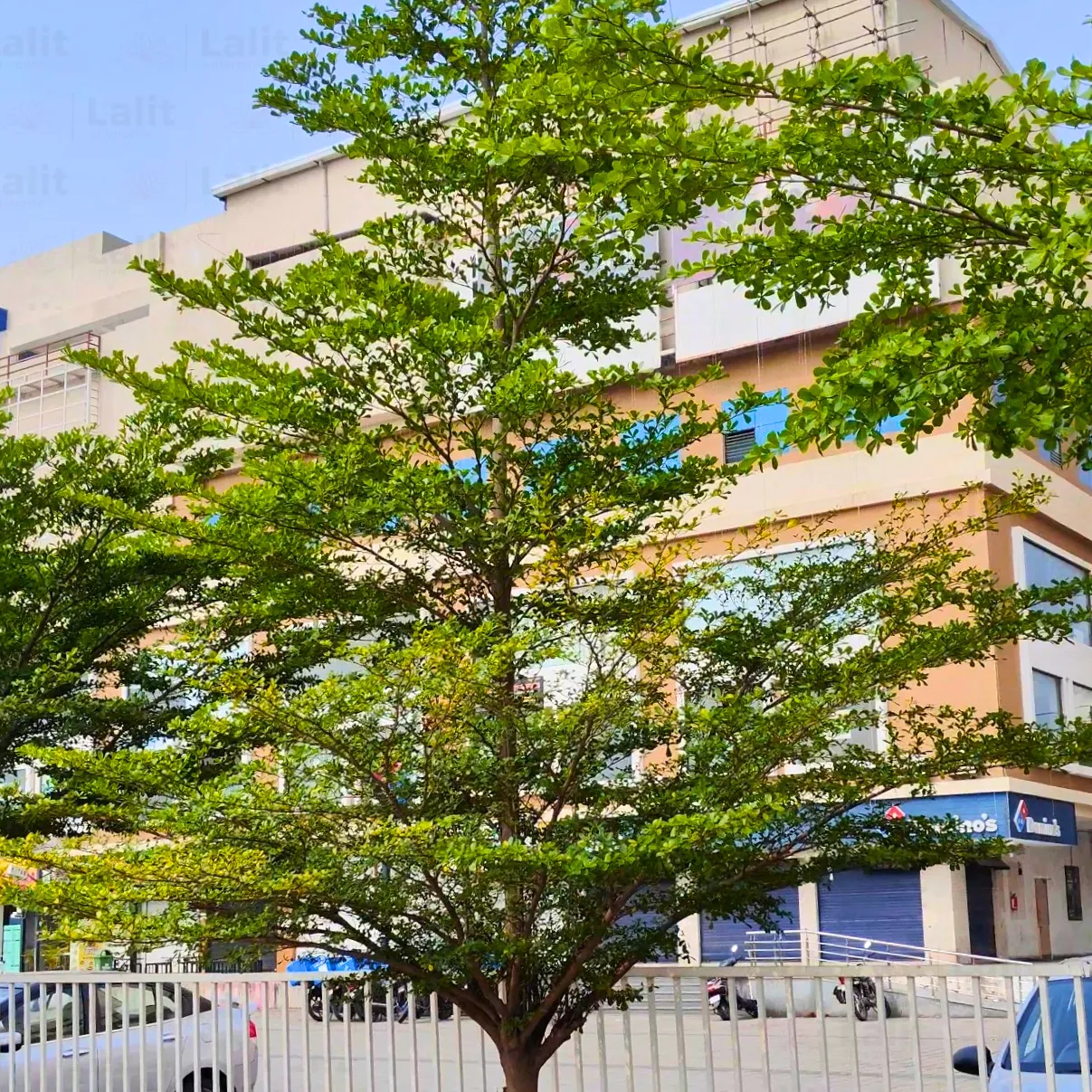
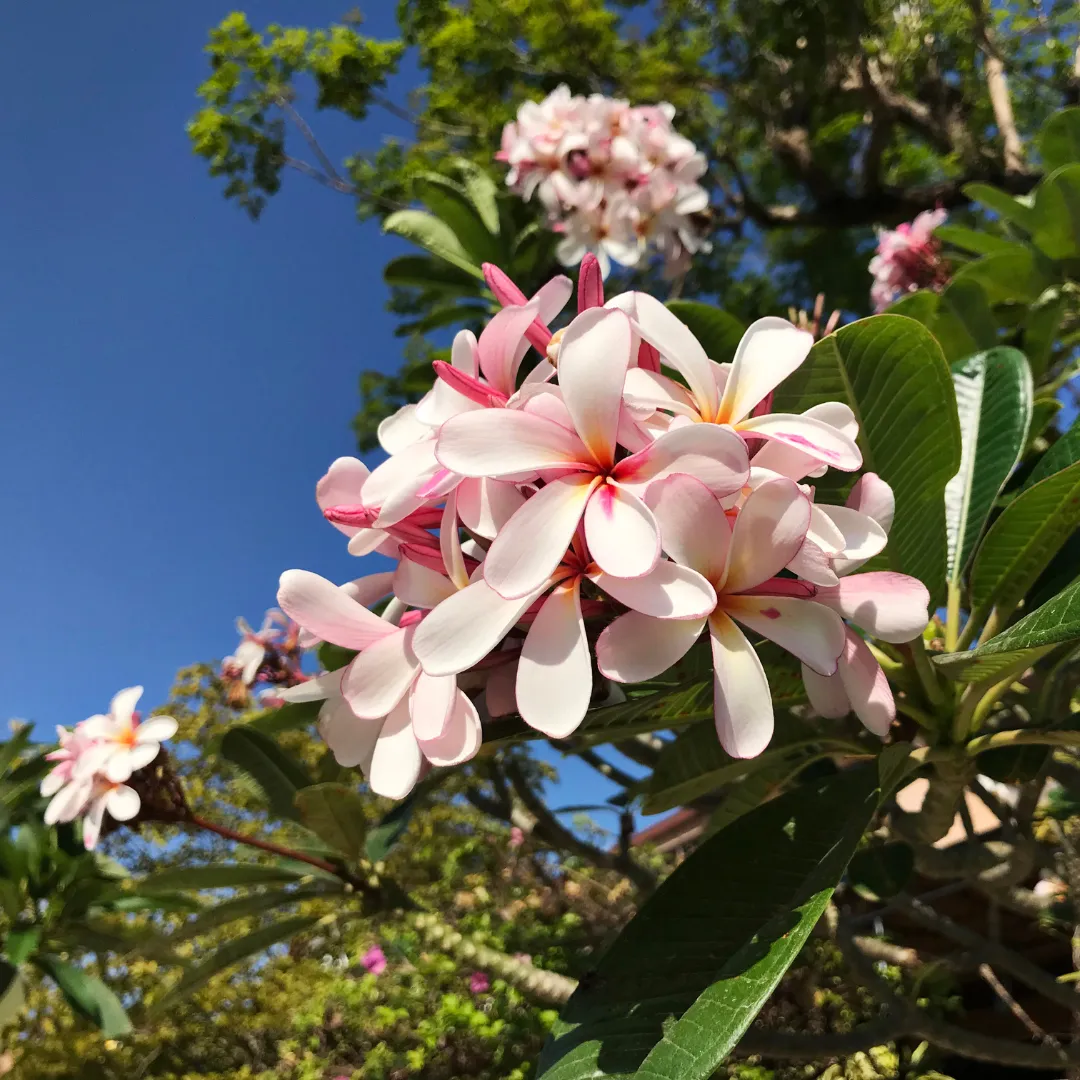
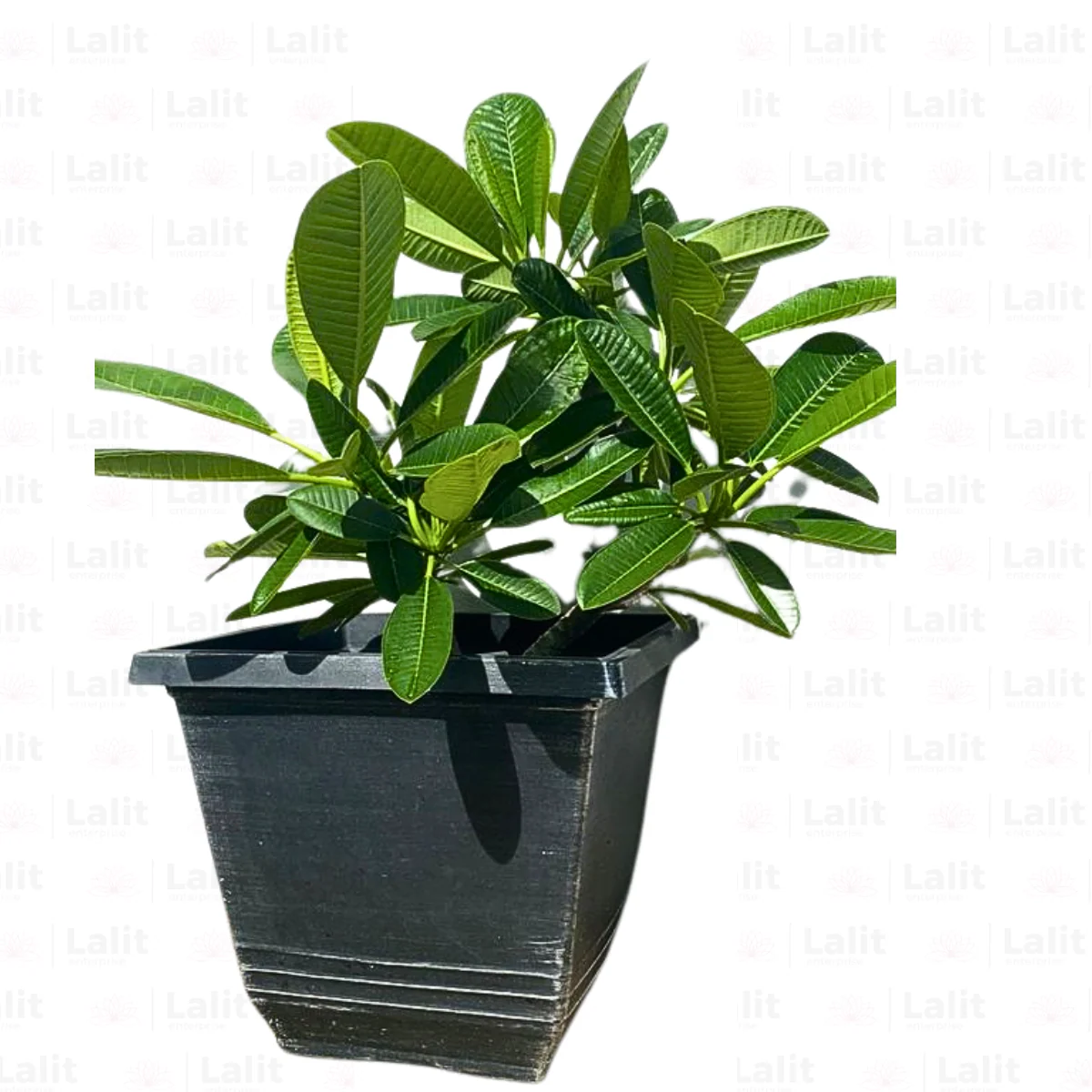
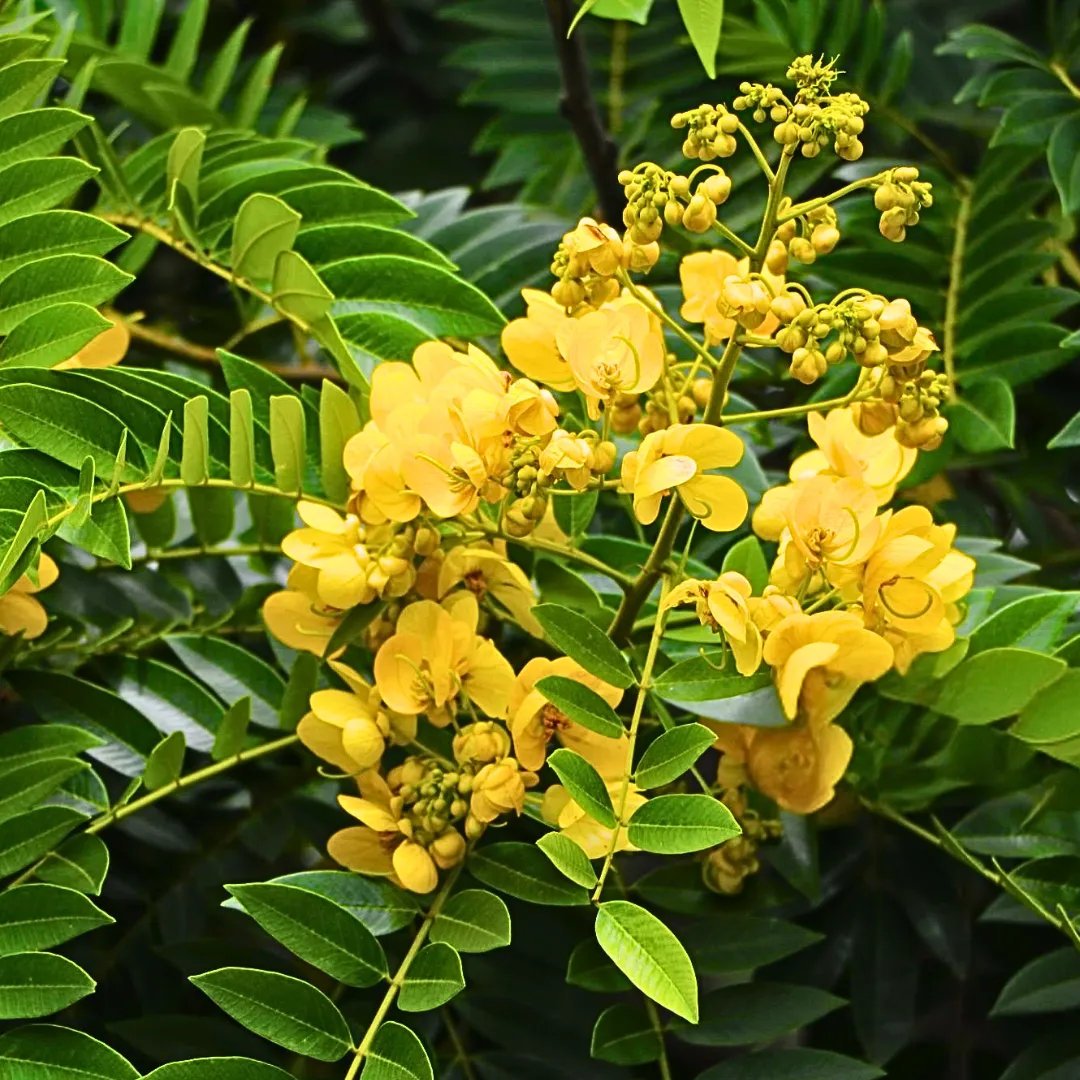
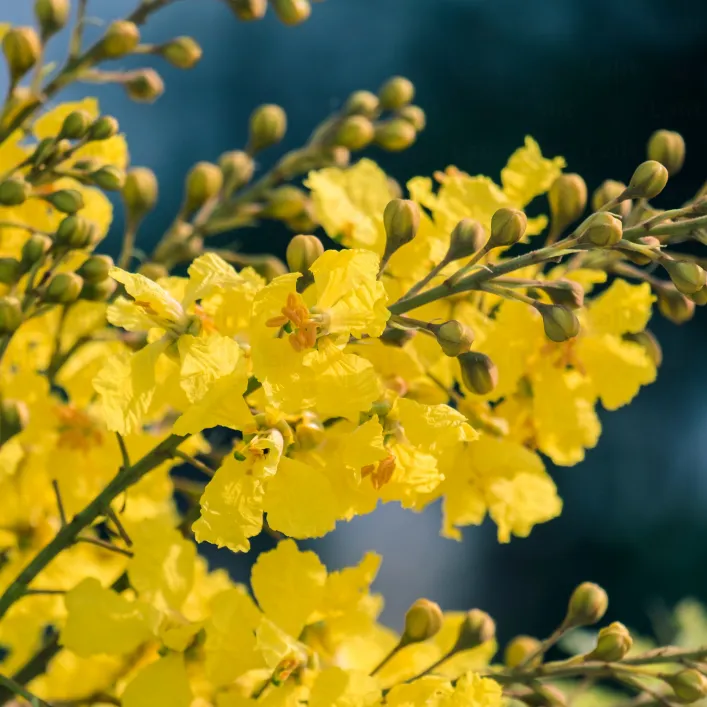
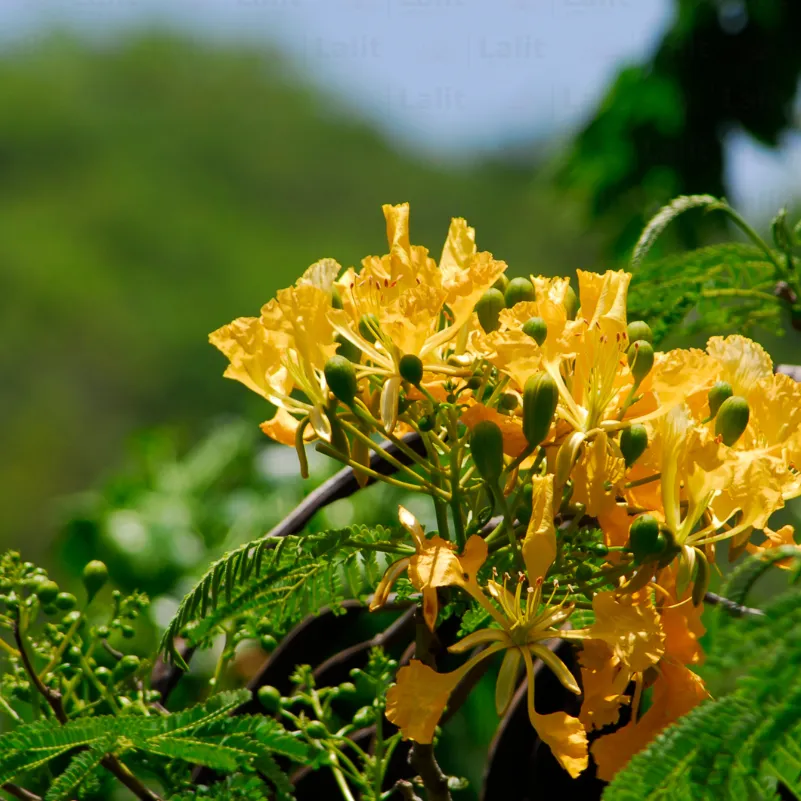
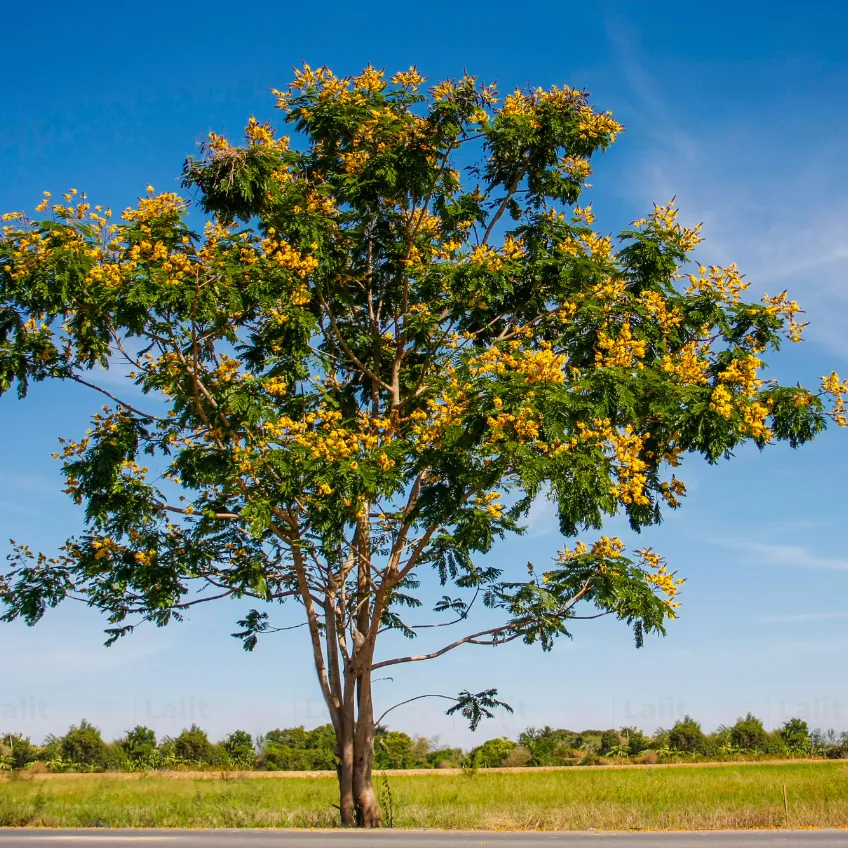
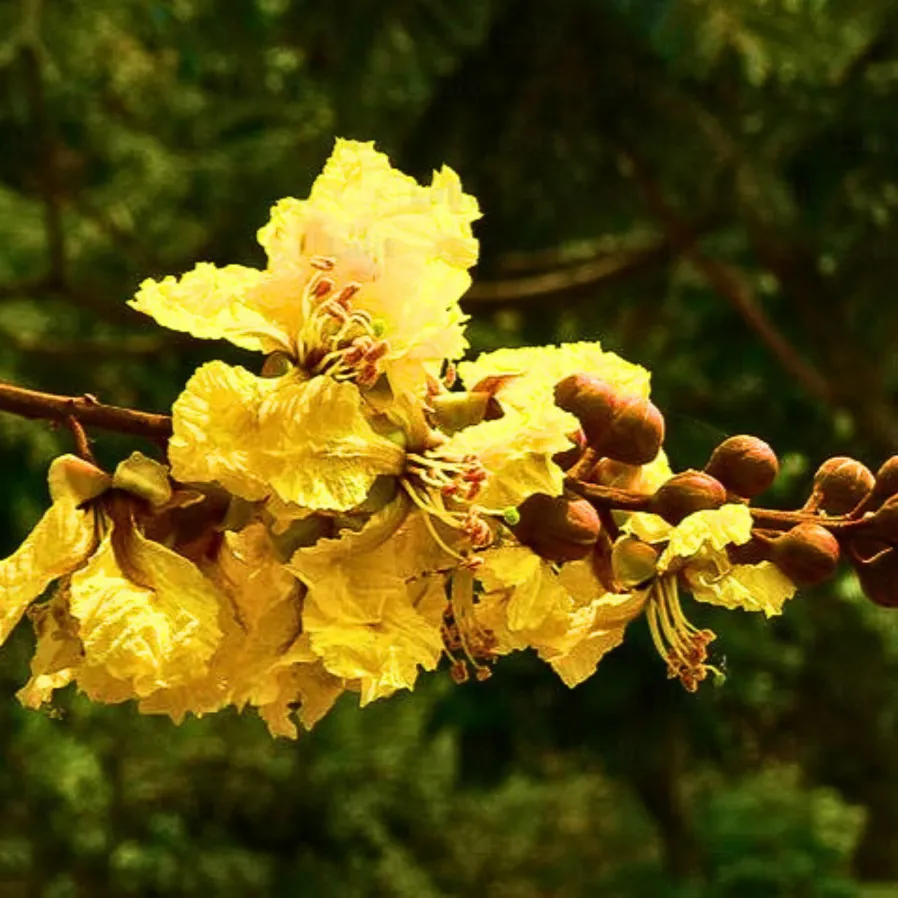
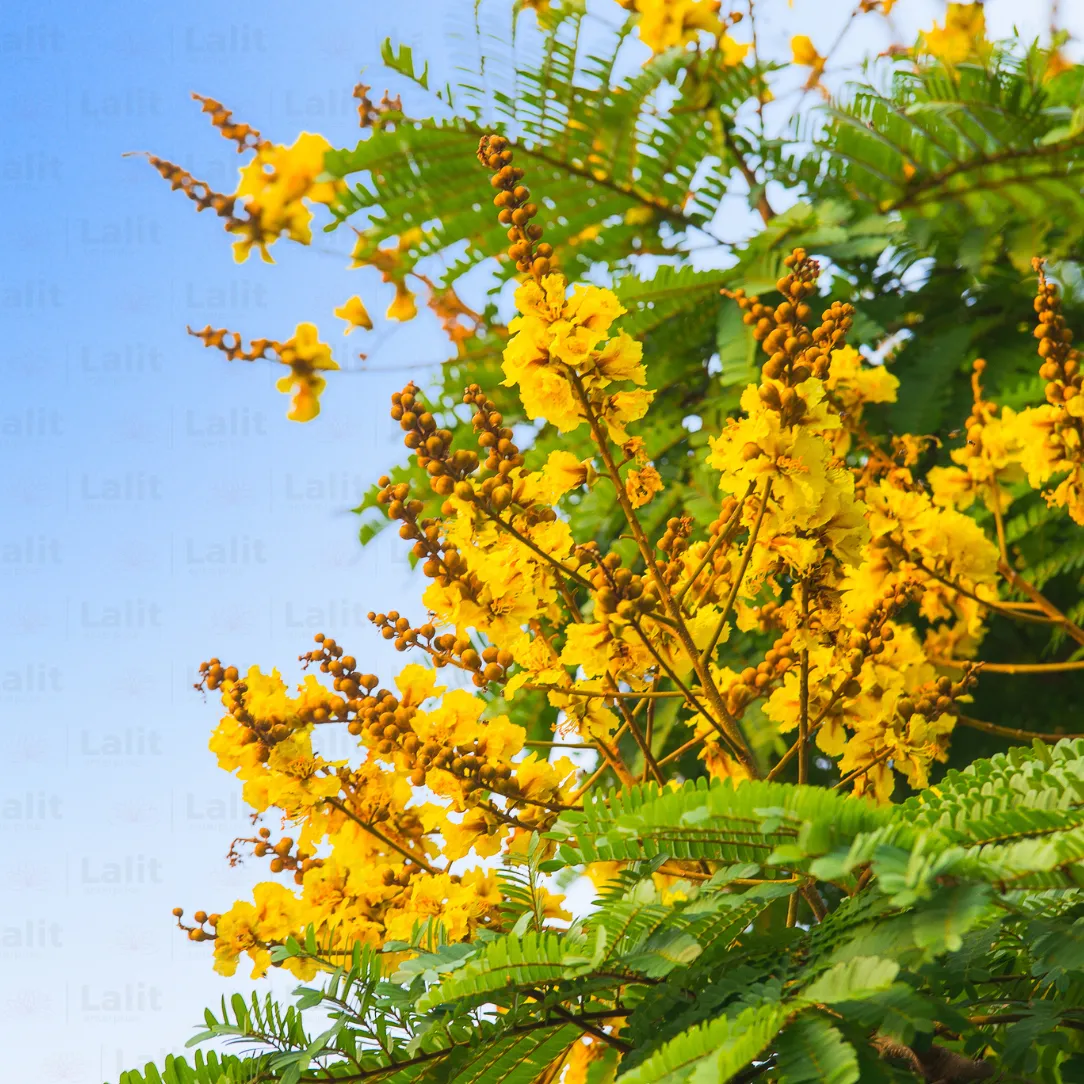
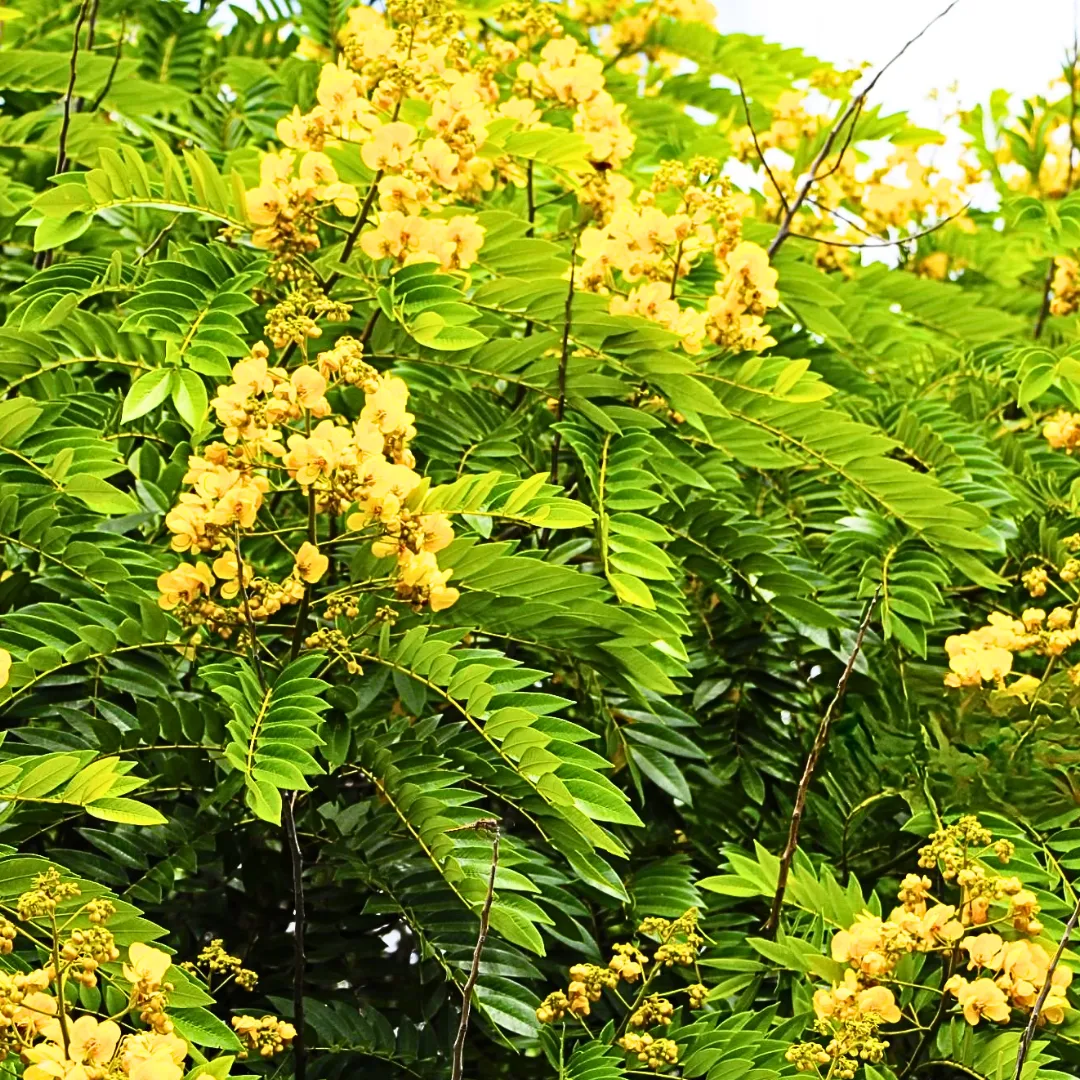
Peltophorum pterocarpum, commonly known as the Yellow Flametree or Yellow-Flamboyant. It is a stunning tropical tree admired for its vibrant yellow flowers. Originating from Southeast Asia and the Indian subcontinent. This deciduous tree thrives in warm, tropical climates. Peltophorum Pterocarpum is primarily an outdoor plant, gracing gardens, parks, and streets with its striking blooms and feathery foliage.
One of its special features is its ability to attract pollinators like bees and butterflies, enhancing the local ecosystem. Additionally, the Yellow Flametree is known for its rapid growth and resilience. It a popular choice for landscaping in tropical regions.
Product Information
Product Information
Shipping & Returns
Shipping & Returns
Peltophorum Pterocarpum (Yellow Flametree, Yellow-Flamboyant) - Plant
Peltophorum Pterocarpum (Yellow Flametree, Yellow-Flamboyant) - Plant
Peltophorum Pterocarpum (Yellow Flametree, Yellow-Flamboyant) - Plant
Peltophorum pterocarpum, commonly known as the Yellow Flametree or Yellow-Flamboyant. It is a stunning tropical tree admired for its vibrant yellow flowers. Originating from Southeast Asia and the Indian subcontinent. This deciduous tree thrives in warm, tropical climates. Peltophorum Pterocarpum is primarily an outdoor plant, gracing gardens, parks, and streets with its striking blooms and feathery foliage.
One of its special features is its ability to attract pollinators like bees and butterflies, enhancing the local ecosystem. Additionally, the Yellow Flametree is known for its rapid growth and resilience. It a popular choice for landscaping in tropical regions.
Original: $5.18
-65%$5.18
$1.81Product Information
Product Information
Shipping & Returns
Shipping & Returns
Description
Peltophorum Pterocarpum (Yellow Flametree, Yellow-Flamboyant) - Plant
Peltophorum pterocarpum, commonly known as the Yellow Flametree or Yellow-Flamboyant. It is a stunning tropical tree admired for its vibrant yellow flowers. Originating from Southeast Asia and the Indian subcontinent. This deciduous tree thrives in warm, tropical climates. Peltophorum Pterocarpum is primarily an outdoor plant, gracing gardens, parks, and streets with its striking blooms and feathery foliage.
One of its special features is its ability to attract pollinators like bees and butterflies, enhancing the local ecosystem. Additionally, the Yellow Flametree is known for its rapid growth and resilience. It a popular choice for landscaping in tropical regions.