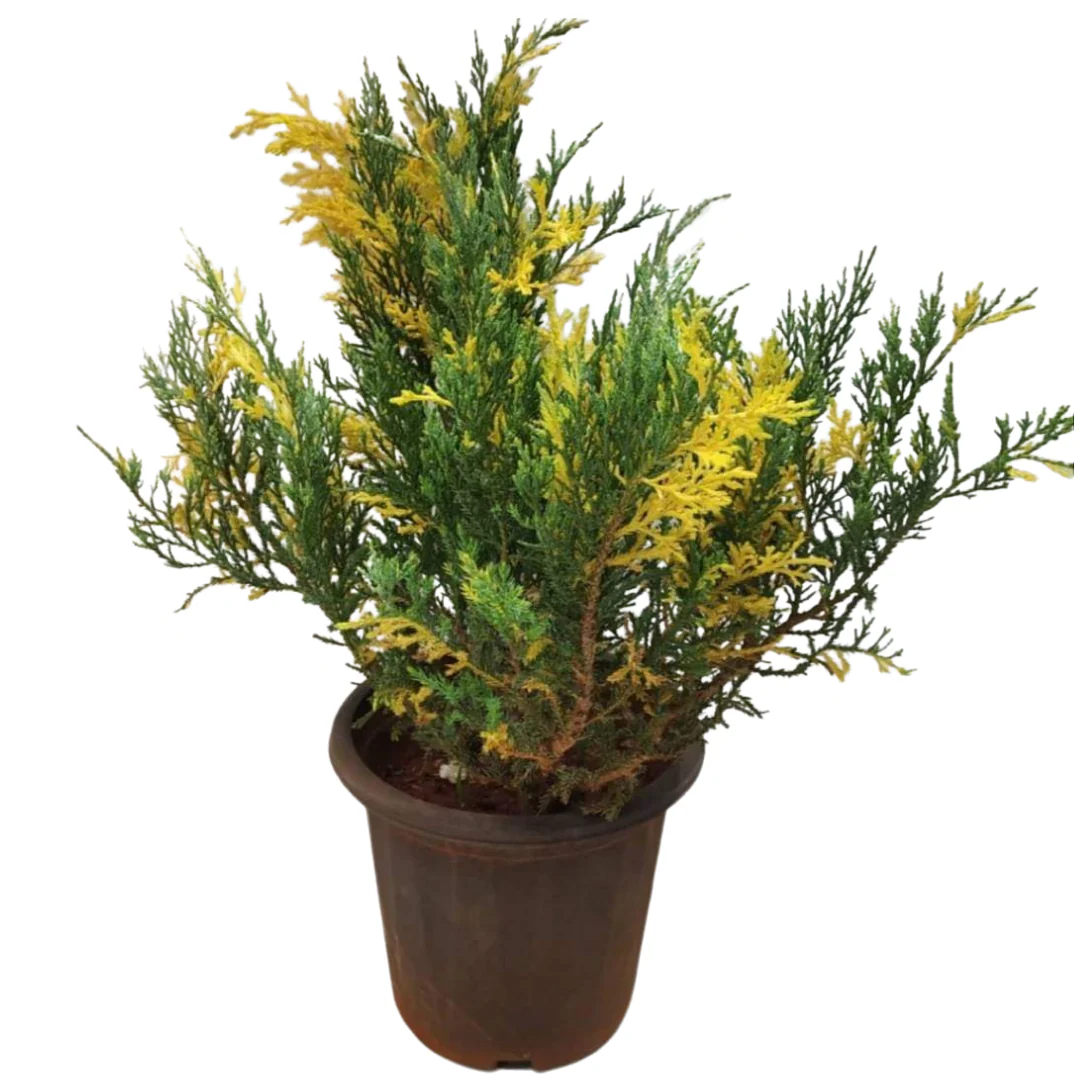
Japanese Cheesewood – Pittosporom Torbira Variegated (8 inch)
Japanese Cheesewood – Pittosporom Torbira Variegated
Pittosporum Tobira, Japanese Cheesewood Plant (Variegated)
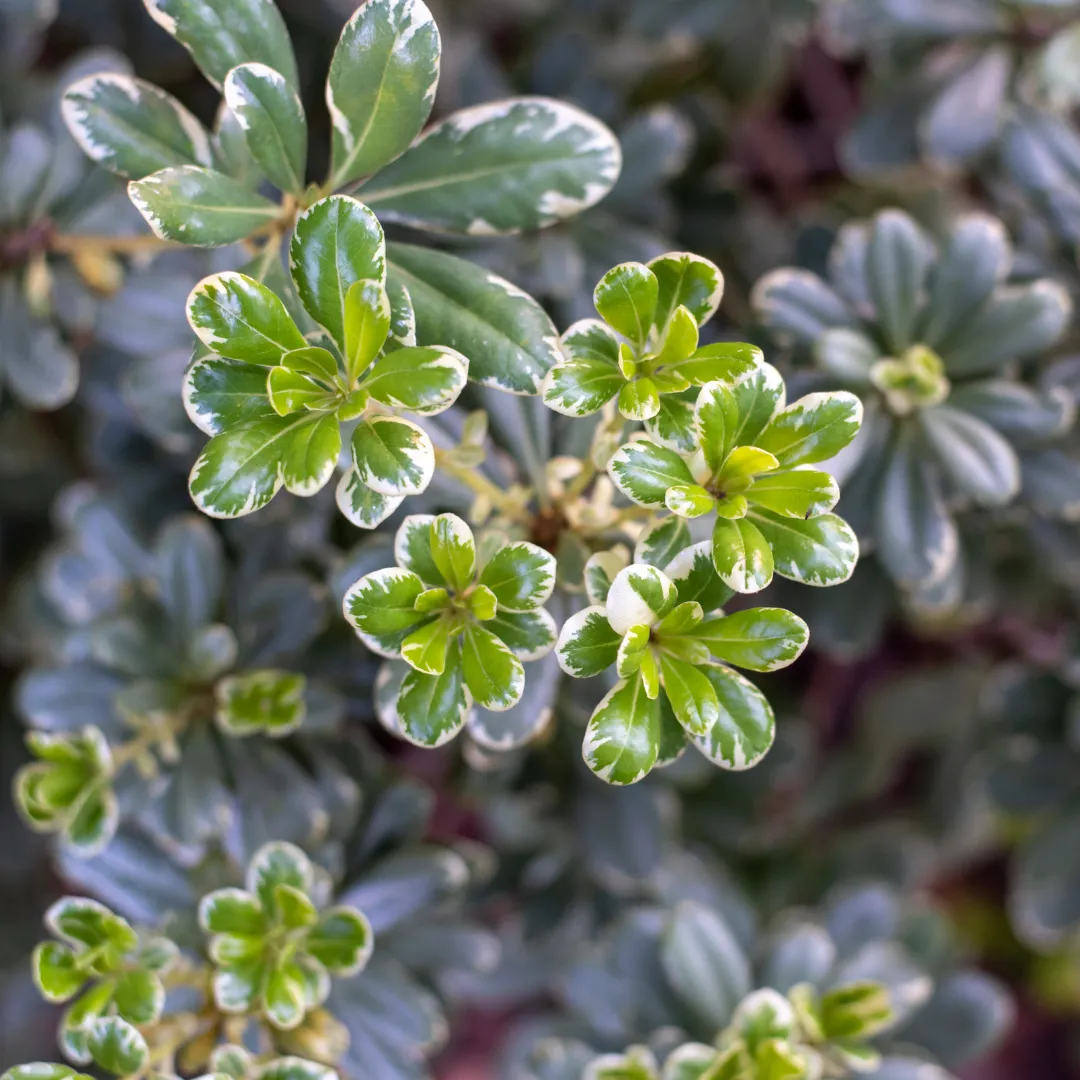
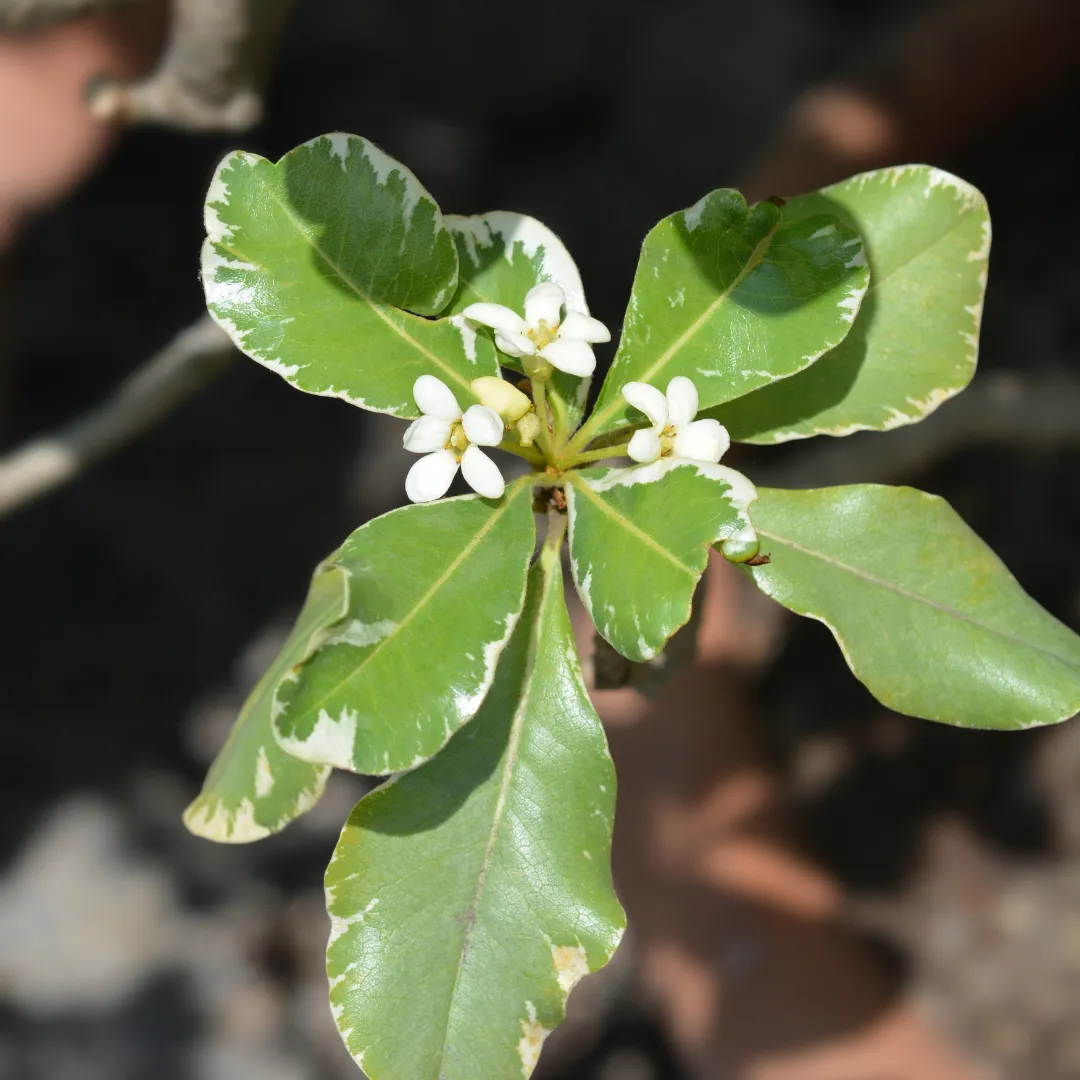
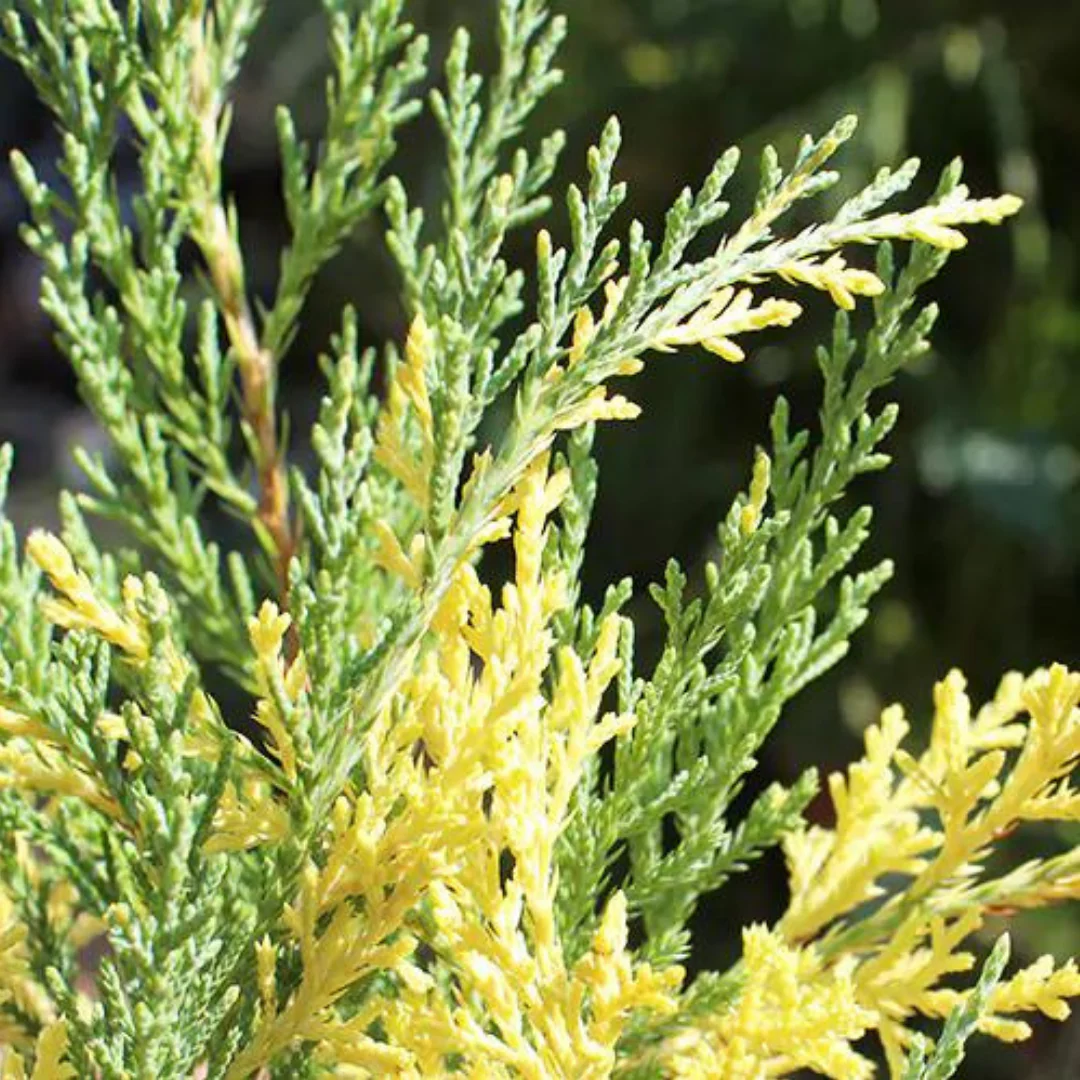
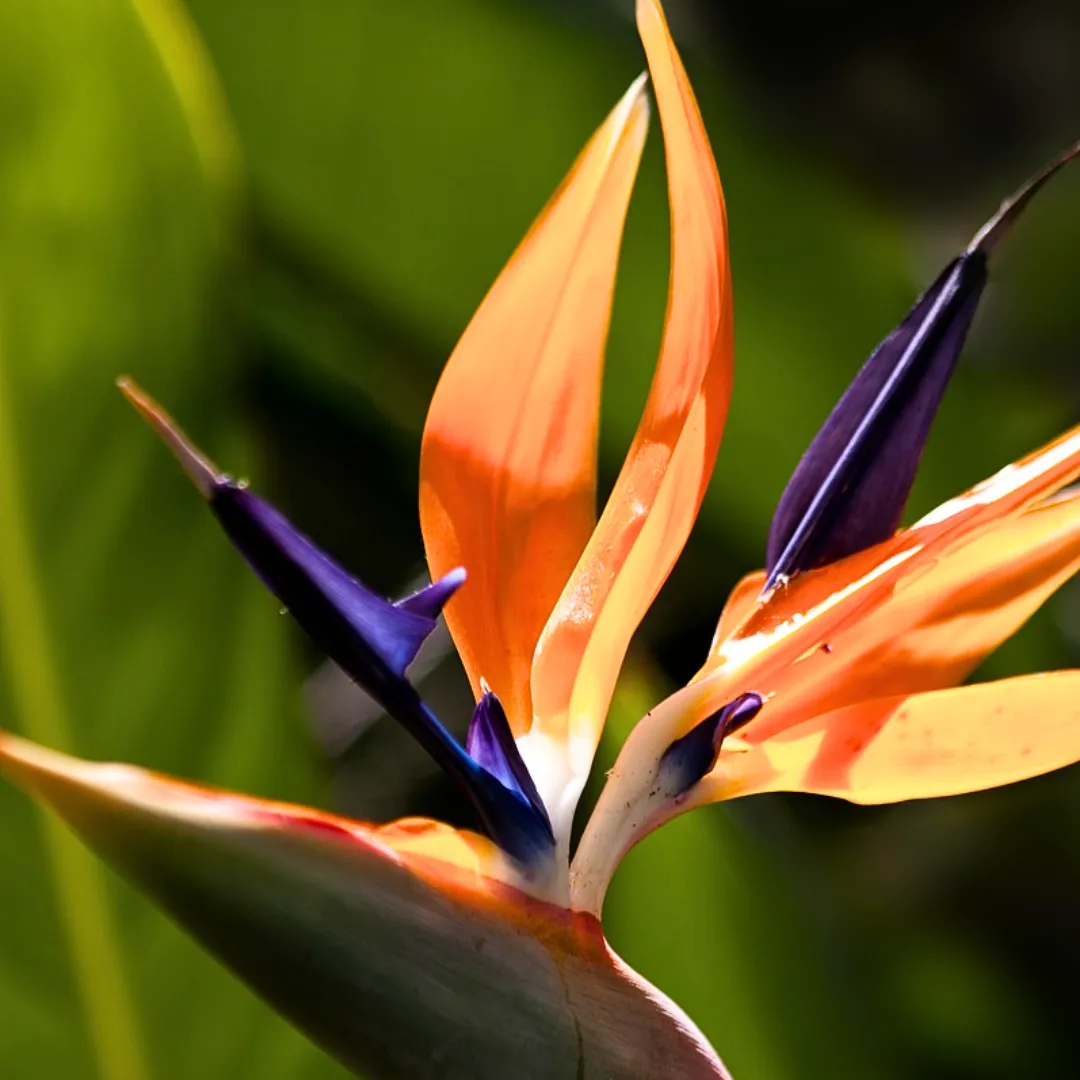
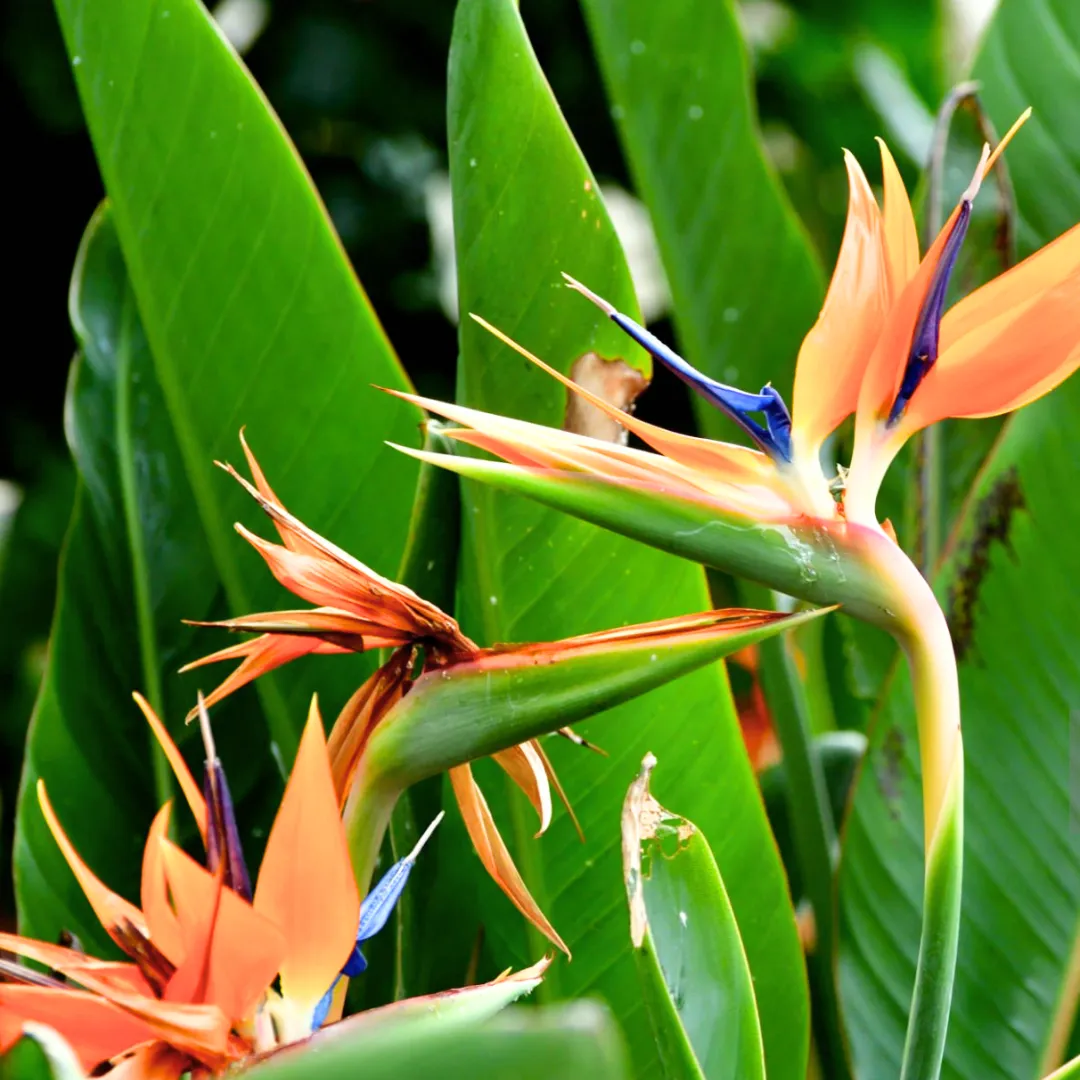
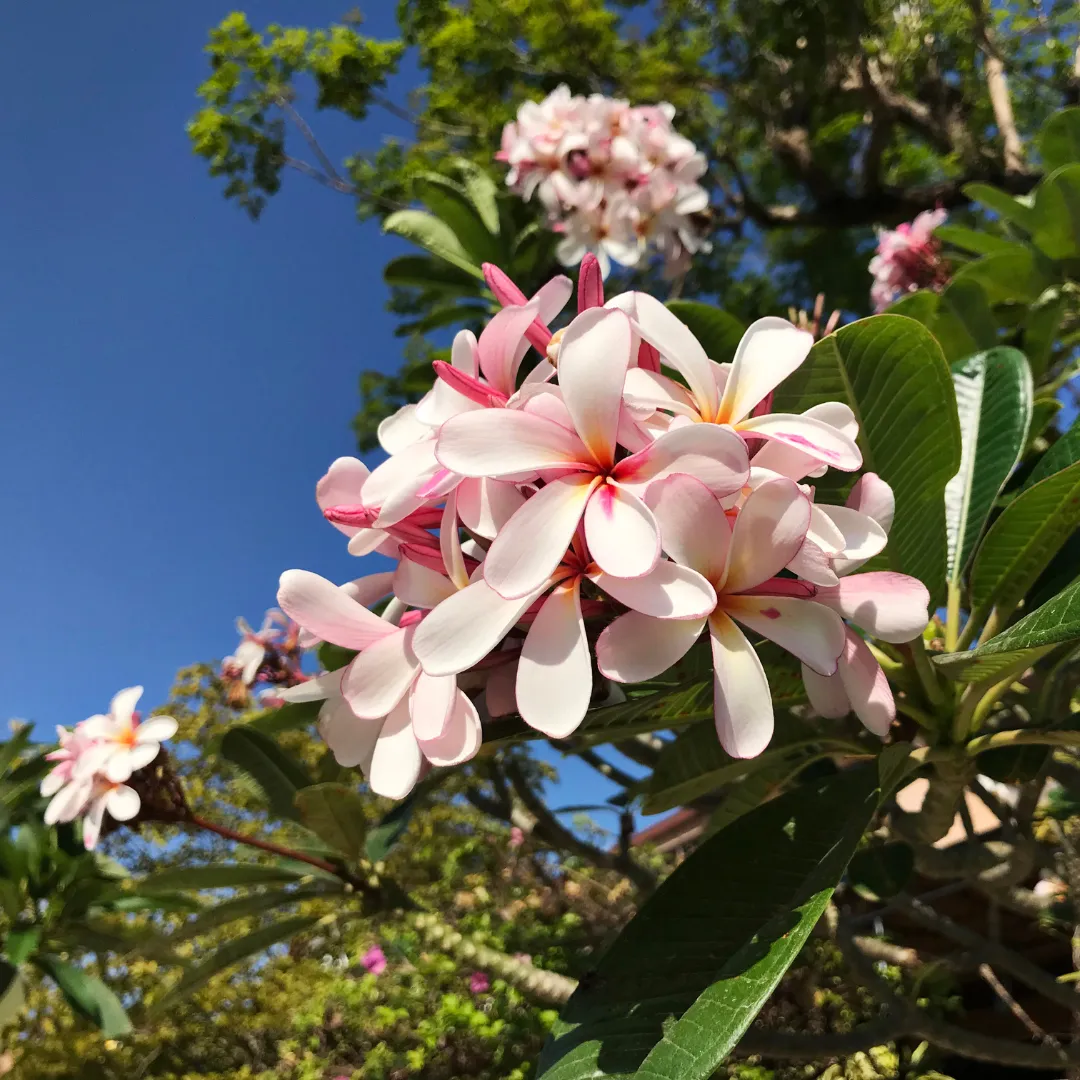
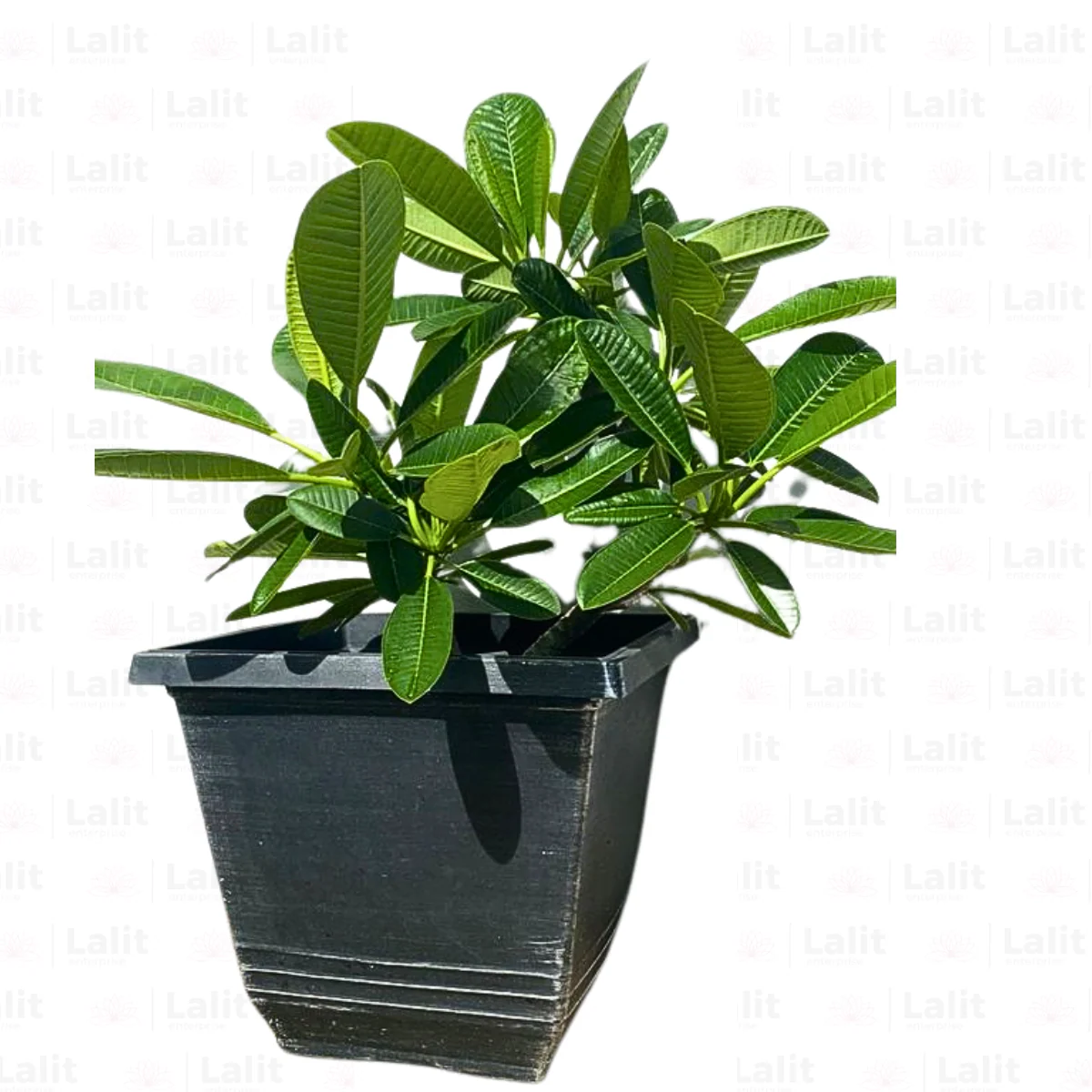
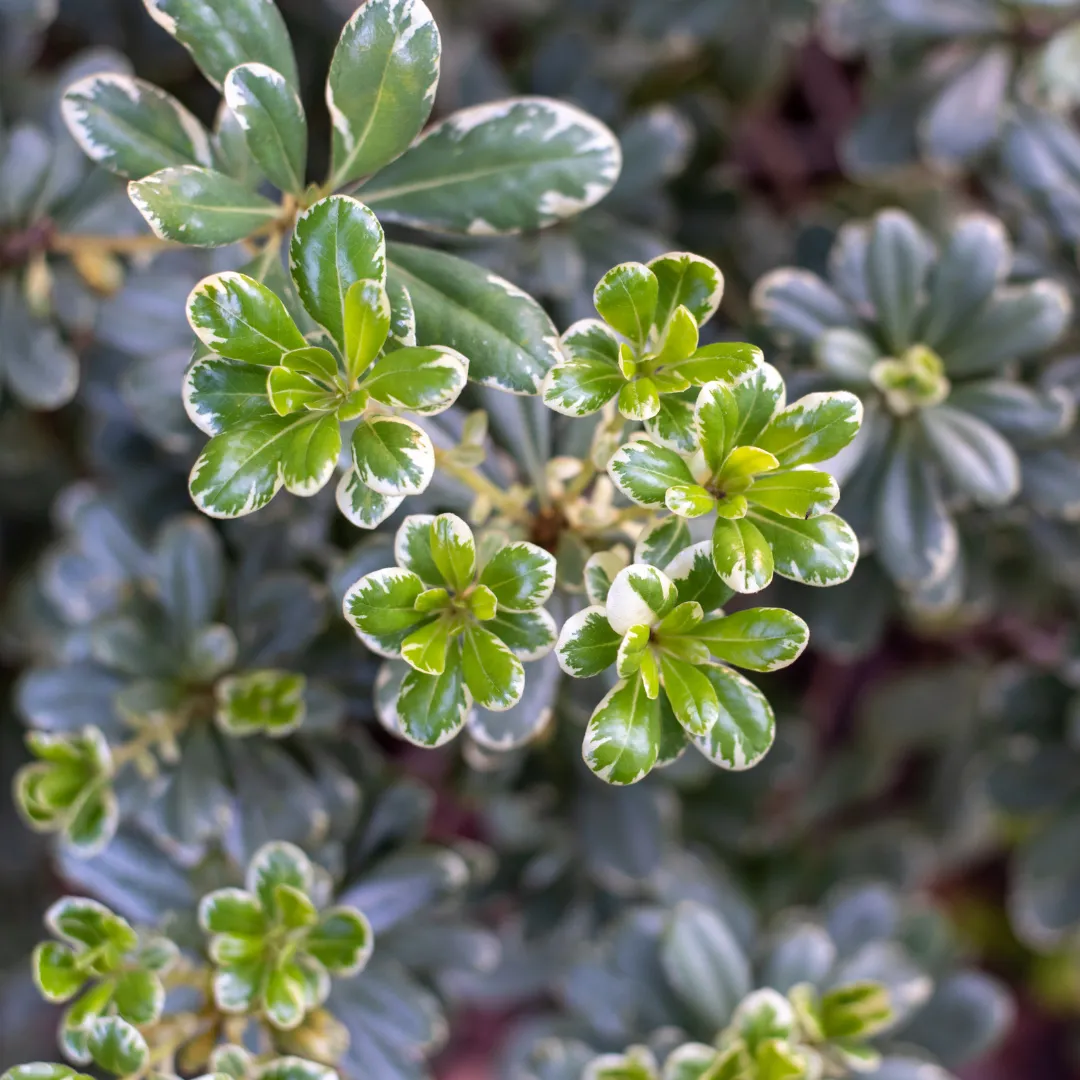
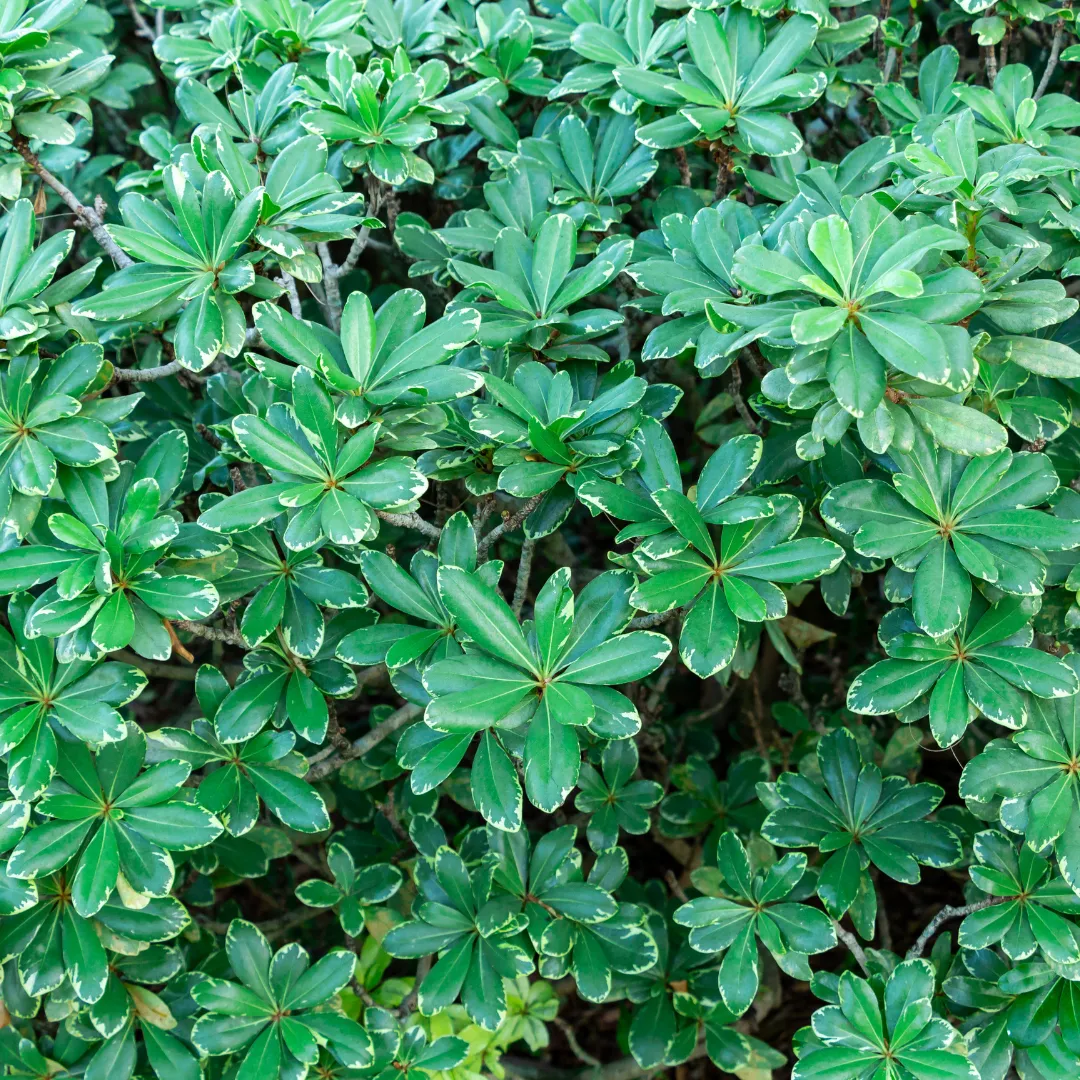
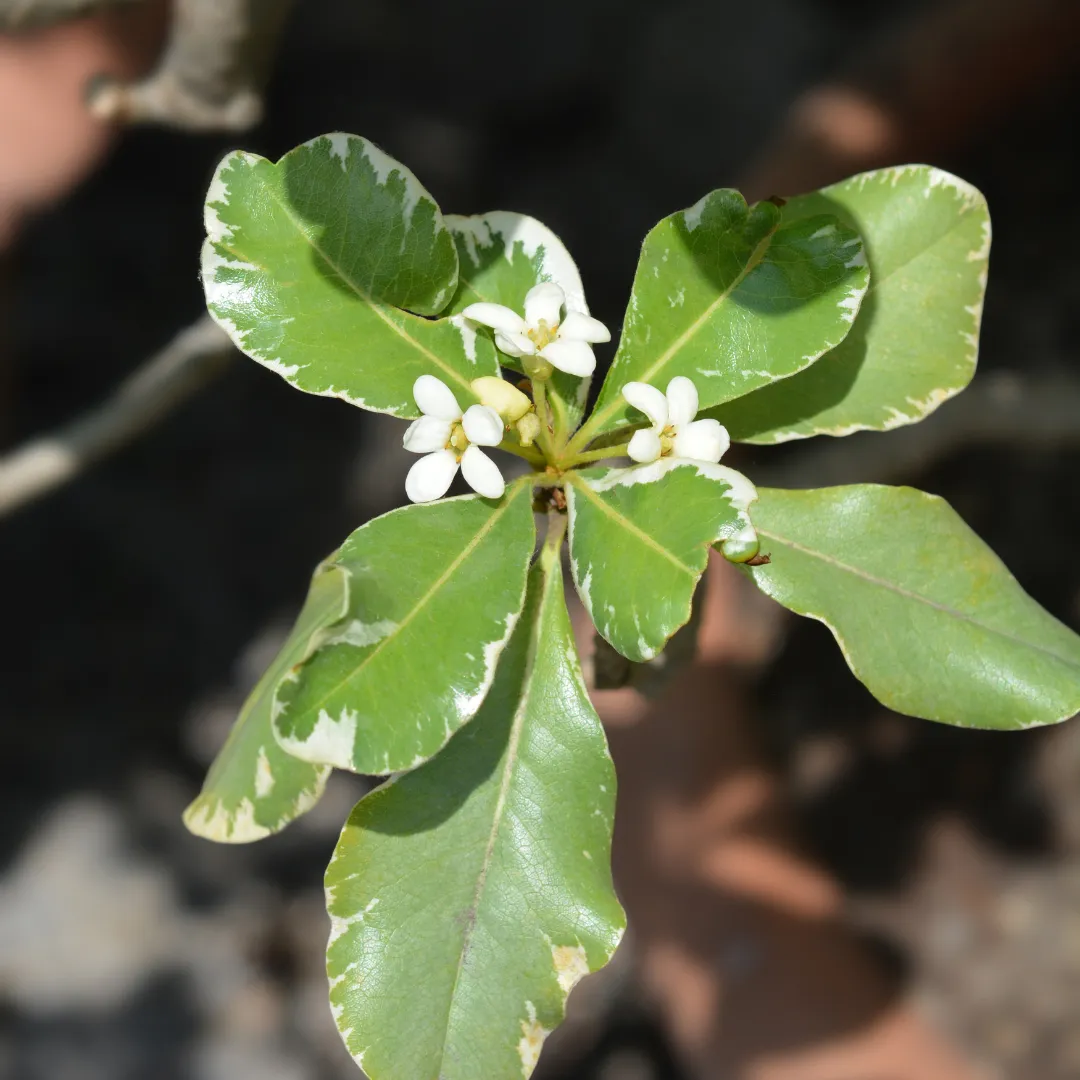
The Japanese Cheesewood Variegated is an evergreen shrub native to Japan, Korea and China. Sometimes called the Japanese Mock Orange and Pittosporum Tobira, these ornamentals have oval leaves that curl under. A cluster of ethereal flowers burst forth from the ends of its branches. These flower branches are so beautiful, they’re often used in floral arrangements.
Hardy enough to grow indoors or out, the Japanese Cheesewood variegated prefers partial sun, and sandy, well-drained soil. The shrub tolerates drought and increased salinity, so you’ll often spot the Japanese Cheesewood along the coast.
| CLIMATE ZONE | The Mediterranean, Mediterranean type, and Temperate areas. |
|---|---|
| FLOWER COLOUR | Cream and White |
| FOLIAGE | Evergreen. |
| FOLIAGE COLOUR | Green. |
| FRAGRANT | Flower. |
| HARDINESS | No drought resistant, Non-hardy. |
| PLANT USE | Balcony & Courtyard, Baskets & Containers, Coastal garden, Edges, Erosion control, Hedge, Low hedge, Low maintenance garden, Pollution tolerant, Screen, Singular, Topiary, and Urban garden. |
| SOIL – MOISTURE | Dry, Moist, Well-drained. |
| SOIL – TYPE | Chalk and Loam |
| SUNLIGHT – EXPOSURE | Indoor/semi-shade. |
| WATERING | Moderate. |
| DIFFICULTY LEVEL | Easy to grow. |
| BLOOM TIME | April to May. |
| POTTING MEDIUM | Potting mix. |
Planting
The tolerance of this plant is nearly legendary. In addition to its ambivalence regarding lighting, it can also grow on almost any soil. and It is drought-resistant, but the plant is most beautiful when it does receive regular irrigation because regular irrigation is very good for plant health.
Plant Care Tips
- Keep the plant in natural indirect bright Light.
- Poke your finger/plain small stick into the soil to check the moisture.
- Water when topsoil (1-2inches) feels dry to touch but not overwatering.
- Do not re-pot for a minimum of two weeks after receiving it,
Product Information
Product Information
Shipping & Returns
Shipping & Returns
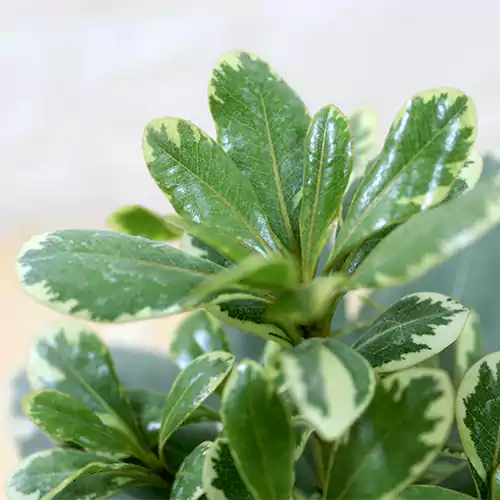
Japanese Cheesewood – Pittosporom Torbira Variegated (8 inch)
Japanese Cheesewood – Pittosporom Torbira Variegated (8 inch)
Japanese Cheesewood – Pittosporom Torbira Variegated
Pittosporum Tobira, Japanese Cheesewood Plant (Variegated)
The Japanese Cheesewood Variegated is an evergreen shrub native to Japan, Korea and China. Sometimes called the Japanese Mock Orange and Pittosporum Tobira, these ornamentals have oval leaves that curl under. A cluster of ethereal flowers burst forth from the ends of its branches. These flower branches are so beautiful, they’re often used in floral arrangements.
Hardy enough to grow indoors or out, the Japanese Cheesewood variegated prefers partial sun, and sandy, well-drained soil. The shrub tolerates drought and increased salinity, so you’ll often spot the Japanese Cheesewood along the coast.
| CLIMATE ZONE | The Mediterranean, Mediterranean type, and Temperate areas. |
|---|---|
| FLOWER COLOUR | Cream and White |
| FOLIAGE | Evergreen. |
| FOLIAGE COLOUR | Green. |
| FRAGRANT | Flower. |
| HARDINESS | No drought resistant, Non-hardy. |
| PLANT USE | Balcony & Courtyard, Baskets & Containers, Coastal garden, Edges, Erosion control, Hedge, Low hedge, Low maintenance garden, Pollution tolerant, Screen, Singular, Topiary, and Urban garden. |
| SOIL – MOISTURE | Dry, Moist, Well-drained. |
| SOIL – TYPE | Chalk and Loam |
| SUNLIGHT – EXPOSURE | Indoor/semi-shade. |
| WATERING | Moderate. |
| DIFFICULTY LEVEL | Easy to grow. |
| BLOOM TIME | April to May. |
| POTTING MEDIUM | Potting mix. |
Planting
The tolerance of this plant is nearly legendary. In addition to its ambivalence regarding lighting, it can also grow on almost any soil. and It is drought-resistant, but the plant is most beautiful when it does receive regular irrigation because regular irrigation is very good for plant health.
Plant Care Tips
- Keep the plant in natural indirect bright Light.
- Poke your finger/plain small stick into the soil to check the moisture.
- Water when topsoil (1-2inches) feels dry to touch but not overwatering.
- Do not re-pot for a minimum of two weeks after receiving it,
Original: $12.97
-65%$12.97
$4.54Product Information
Product Information
Shipping & Returns
Shipping & Returns
Description
Japanese Cheesewood – Pittosporom Torbira Variegated
Pittosporum Tobira, Japanese Cheesewood Plant (Variegated)
The Japanese Cheesewood Variegated is an evergreen shrub native to Japan, Korea and China. Sometimes called the Japanese Mock Orange and Pittosporum Tobira, these ornamentals have oval leaves that curl under. A cluster of ethereal flowers burst forth from the ends of its branches. These flower branches are so beautiful, they’re often used in floral arrangements.
Hardy enough to grow indoors or out, the Japanese Cheesewood variegated prefers partial sun, and sandy, well-drained soil. The shrub tolerates drought and increased salinity, so you’ll often spot the Japanese Cheesewood along the coast.
| CLIMATE ZONE | The Mediterranean, Mediterranean type, and Temperate areas. |
|---|---|
| FLOWER COLOUR | Cream and White |
| FOLIAGE | Evergreen. |
| FOLIAGE COLOUR | Green. |
| FRAGRANT | Flower. |
| HARDINESS | No drought resistant, Non-hardy. |
| PLANT USE | Balcony & Courtyard, Baskets & Containers, Coastal garden, Edges, Erosion control, Hedge, Low hedge, Low maintenance garden, Pollution tolerant, Screen, Singular, Topiary, and Urban garden. |
| SOIL – MOISTURE | Dry, Moist, Well-drained. |
| SOIL – TYPE | Chalk and Loam |
| SUNLIGHT – EXPOSURE | Indoor/semi-shade. |
| WATERING | Moderate. |
| DIFFICULTY LEVEL | Easy to grow. |
| BLOOM TIME | April to May. |
| POTTING MEDIUM | Potting mix. |
Planting
The tolerance of this plant is nearly legendary. In addition to its ambivalence regarding lighting, it can also grow on almost any soil. and It is drought-resistant, but the plant is most beautiful when it does receive regular irrigation because regular irrigation is very good for plant health.
Plant Care Tips
- Keep the plant in natural indirect bright Light.
- Poke your finger/plain small stick into the soil to check the moisture.
- Water when topsoil (1-2inches) feels dry to touch but not overwatering.
- Do not re-pot for a minimum of two weeks after receiving it,